Thursday, November 15, 2012

Art History Animation

First select an famous painting, photograph, musical score, play, writing... to inspire your animation. Here are a few to get you started. Choose carefully... Then brainstorm a story that you are going to derive from the art historical piece either to start it all off, to meet it in the middle or to conclude your animation. Draw out a story board, establish character(s), your background, a conflict and resolution.
Leonardo DaVinci- Mona Lisa

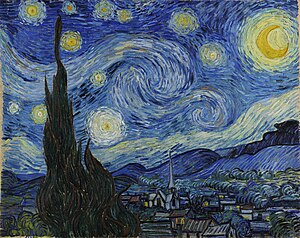
Vincent VanGogh- Starry Night

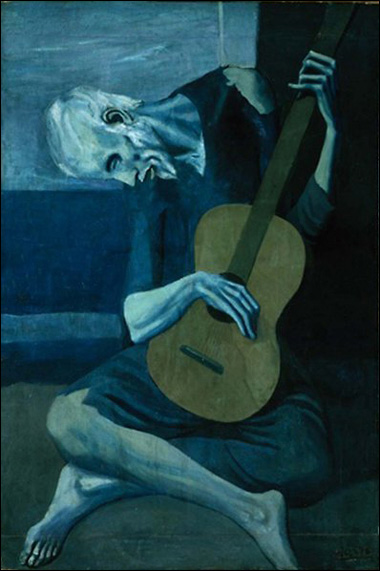
Pablo Picasso- The Old Guitarist
Jan Vermeer- The Love Letter
Salvador Dali- Persistance of Memory
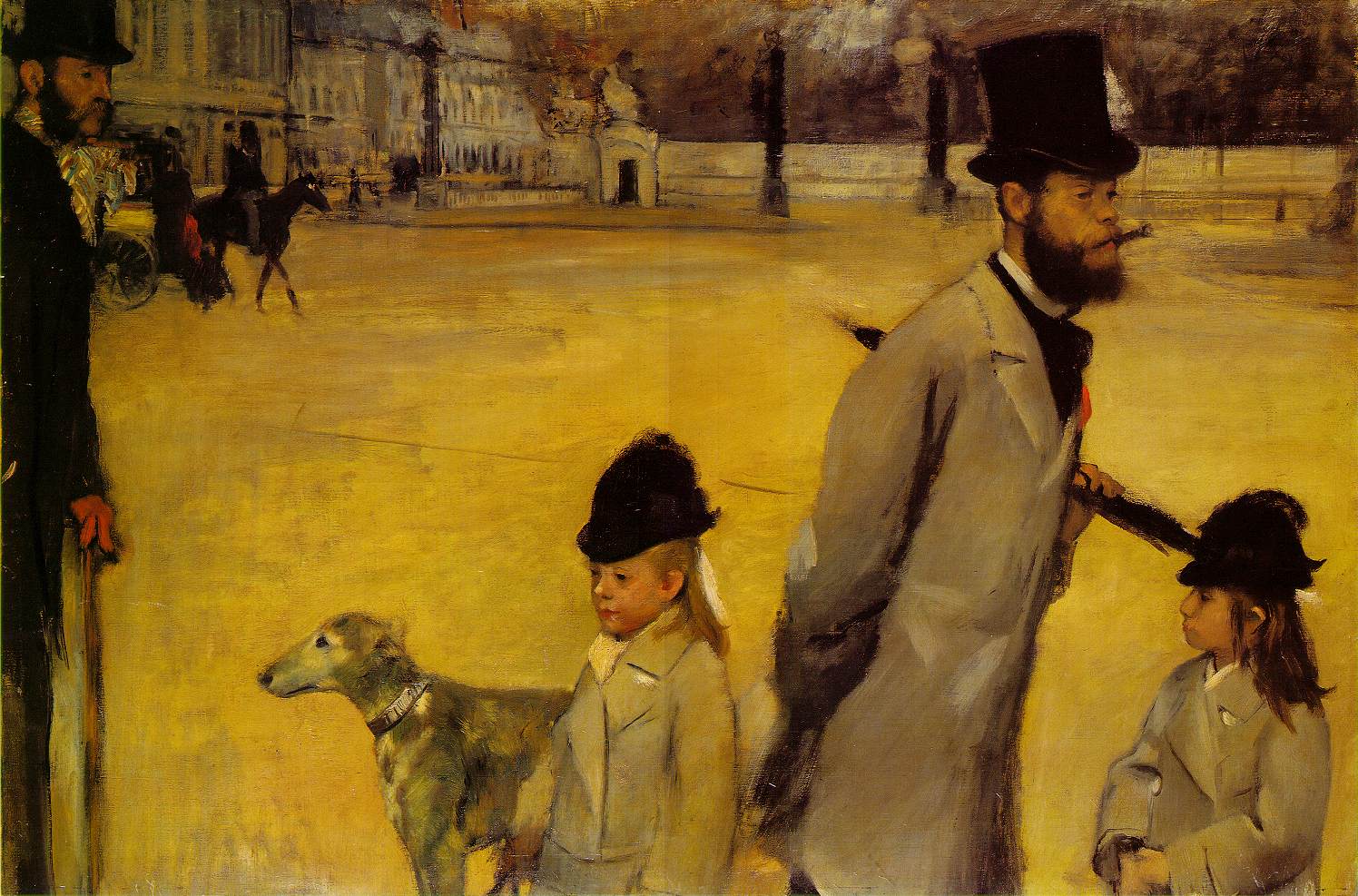
Edgar Degas- The Viscount Lepic and his Daughters
Mark Rothko

Monday, September 24, 2012

Claymation- Wallace & Gromit

Wallace&Gromit
Today we are going to watch Nick Park's classic Claymation animation called "The Wrong Trousers". Notice the thought and detail that went into each scene, characters, and props. Also, consider the use of lighting, camera angles, and framing.

After watching the film, check out the Wallace & Gromit web site: http://www.wallaceandgromit.com/
Read the over views of the characters.

After watching the animation, start brainstorming your own stop motion animation. You can watch some more online animations, or play with the materials at the back of the class to inspire ideas.

Finally, type out in list form 5+ basic ideas- character, scenario, conflict, resolution

Thursday, September 20, 2012

Flip Book Share

Today we are going to share our DOTs.
and self-evaluate based on the criteria:
  • Your flipbook is 50+ frames that include a day in the life of a dot.
  • The frames are arranged in a sequential series that change slightly to convey movement.
  • The character is created from a dot.
  • The story is simple with a conflict and resolution.
  • Front page should have a title and name.
  • Overall- story, animation, character(s), background/setting (if any) works well together.

Friday, September 14, 2012

Share your ideas

When you have your animation story figured out, I would like you to share your pitch with the class.
Remember- A pitch is a concise verbal (and sometimes visual) presentation of an idea.
Your pitch is to be a "one liner", quick description of what happens to your DOT.
http://typewith.me/p/Animation_Ideas

Thursday, September 13, 2012

Storyboards


. D.O.T. Flipbook

. D.O.T .
You are to animate a . not a dash - in a flipbook:
First develop your idea based on your main character- DOT:You can be creative with your dot. It can be something more than just a dot, give it a character (keep it simple though).Establish a simple setting.There should be a narrative plot with a conflict and resolution- sounds complex, but doesn't have to be.

Step #1- Generate your idea
Finish the following narrative prompts to generate ideas for your dot-

Once apon a time there was a_____________ dot. Everyday the dot ________________. Because of that, the dot ____________________. And then ____________________. Until finally the dot _____________________________. And so ____________________________________.

Step #2 Write a one or two line "pitch" for your dot animation:
A pitch is a concise verbal (and sometimes visual) presentation of an idea for a film or TV series generally made by a screenwriter or director to a producer or studio executive in the hope of attracting development finance to pay for the writing of a screenplay.

Your pitch is to  be a "one liner", quick description of what happens to your DOT.

Step #3 Make a simple storyboard for DOT-Do not draw out all frames, just where your movement changes and the idea changes. 

Step#4- Draw your flipbook
  • First plan out your idea in a storyboard.
  • Draw out 50+ frames that include a day in the life of a dot.
  • The frames should be arranged in a sequential series that change slightly to convey movement.
  • Create a character from a dot.
  • Incorporate a simple story with a conflict and resolution.
  • Front page should have a title and name.